Pallet Restacking Explained, When a Load Needs Rebuilding and What to Document
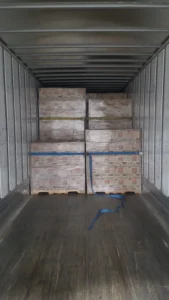
The trailer doors open and the tail pallets are leaning hard against them. One pallet’s bottom deck board has split, and the
Our freight rework blog shares load securement tips, freight restacking tips and advice on shifted freight, from the crew that does the work. You will find plain guidance on what to do when a load moves in transit, how to tell whether a pallet can be rebuilt on-site, and what to photograph before anyone touches the freight. It all comes from work on dry van, reefer and flatbed trailers around Fontana and the Inland Empire.

New freight rework blog articles appear here as they are published. We write about what carriers call us about most: loads that lean after a hard brake, pallets a receiver refused, and freight that has to change trailers. Have a question about your load right now? Call dispatch at (840) 217-1924 or see our services. Federal cargo securement rules set the standard for how a load must be tied down.

The trailer doors open and the tail pallets are leaning hard against them. One pallet’s bottom deck board has split, and the

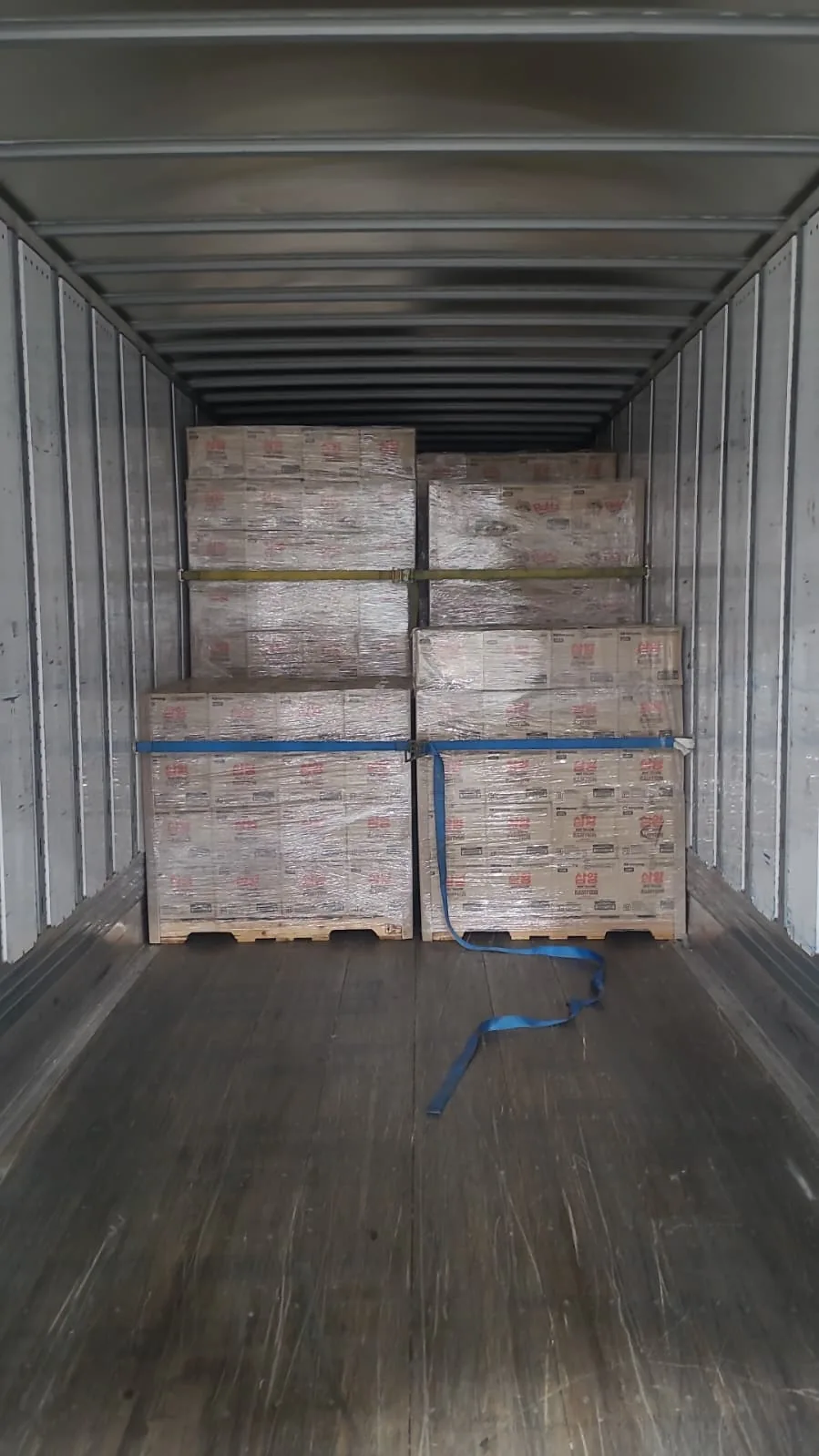
Practical ways to stop pallets shifting in dry vans, reefers and flatbeds: build stable pallets, wrap them right, fill gaps and secure the load.
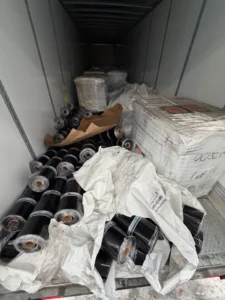
A load shifted on the road? What carriers should do next: open the doors safely, document, notify, rework and get a condition report before delivery.
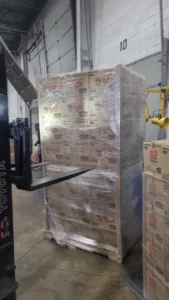
Transloading moves freight between trailers or containers; crossdocking sorts inbound freight straight to outbound trailers. When you need each.
Have a question after reading? Call dispatch with the trailer location and what shifted.